
Artist
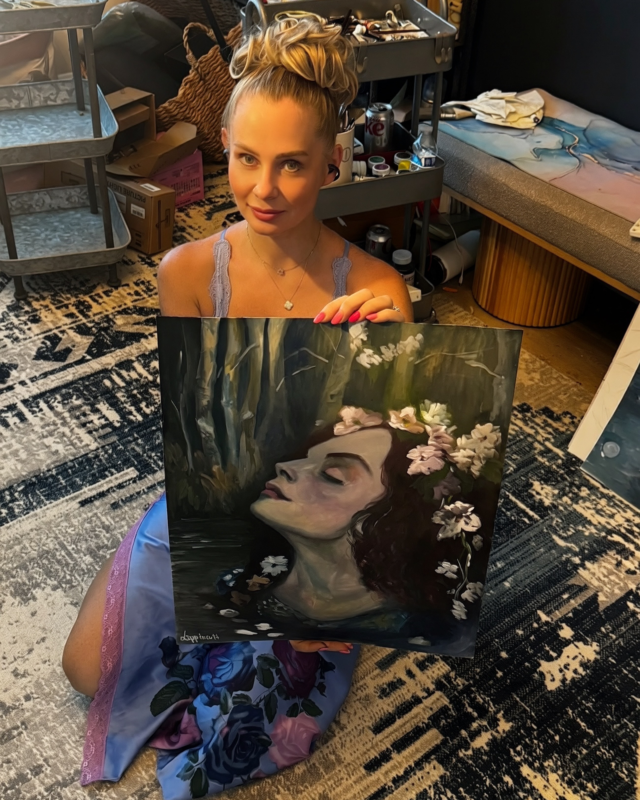
Marina Lippincott
Marina Lippincott has spent much of her life moving between two creative languages that seem completely different at first: art and logic.
She studied art in Crimea, Ukraine, where she developed an early foundation in drawing, composition, color, and the discipline of learning to truly see. Painting was once a natural part of her world, but as life moved forward, she left it behind for many years.
Her creative path did not disappear. It simply changed form.
Marina became a full stack developer, building software through code, mathematics, systems, and problem solving. Over time, she began to recognize that the distance between programming and painting was not as great as it seemed. Both depend on structure, relationships, pattern recognition, proportion, balance, experimentation, and the ability to solve many small problems until something complex begins to feel complete.
About five years ago, Marina picked up a brush again.
What began as a return to something familiar quickly became something deeper. When the war in Ukraine began, it affected her profoundly. Ukraine was not an abstract place in the news. It was connected to her childhood, her memories, her cultural roots, and the landscape that helped shape who she became.
There were emotions that could not be debugged, organized, or reduced to logic.
Painting became a way through them.
Art gave Marina a place to hold grief, memory, uncertainty, beauty, anger, and hope at the same time. It became less about recreating what she could see and more about expressing what was difficult to say. In that process, painting became a source of healing and a way of reconnecting with a part of herself that had been quiet for years.
That tension between structure and emotion now runs throughout her work.
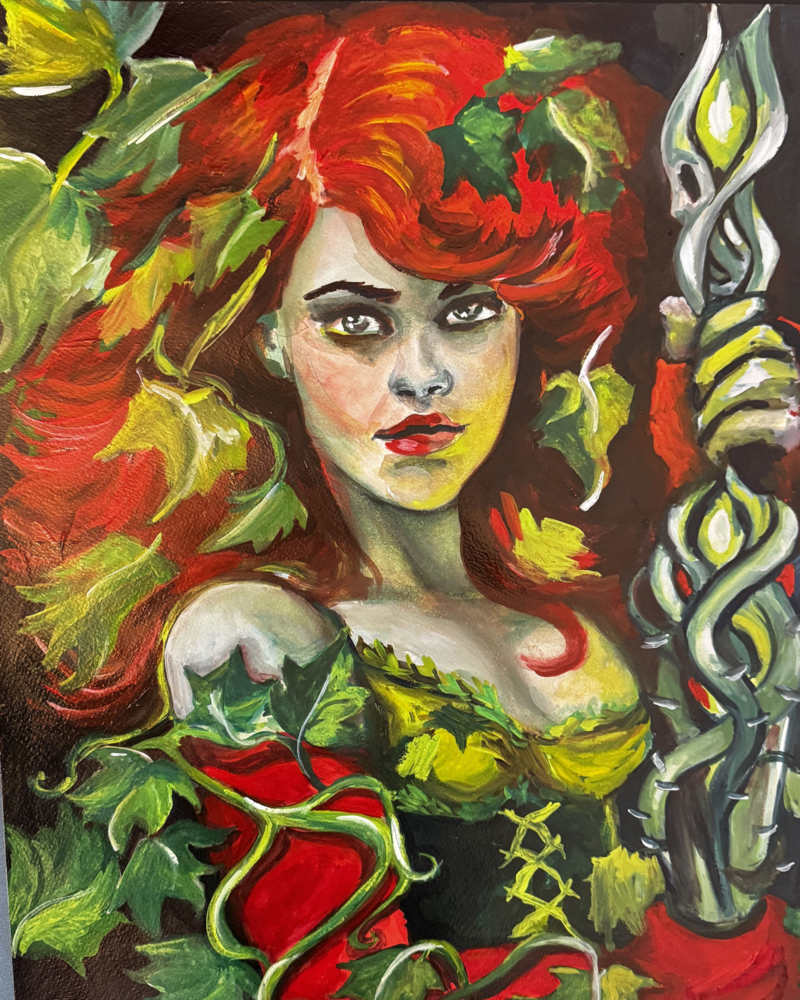
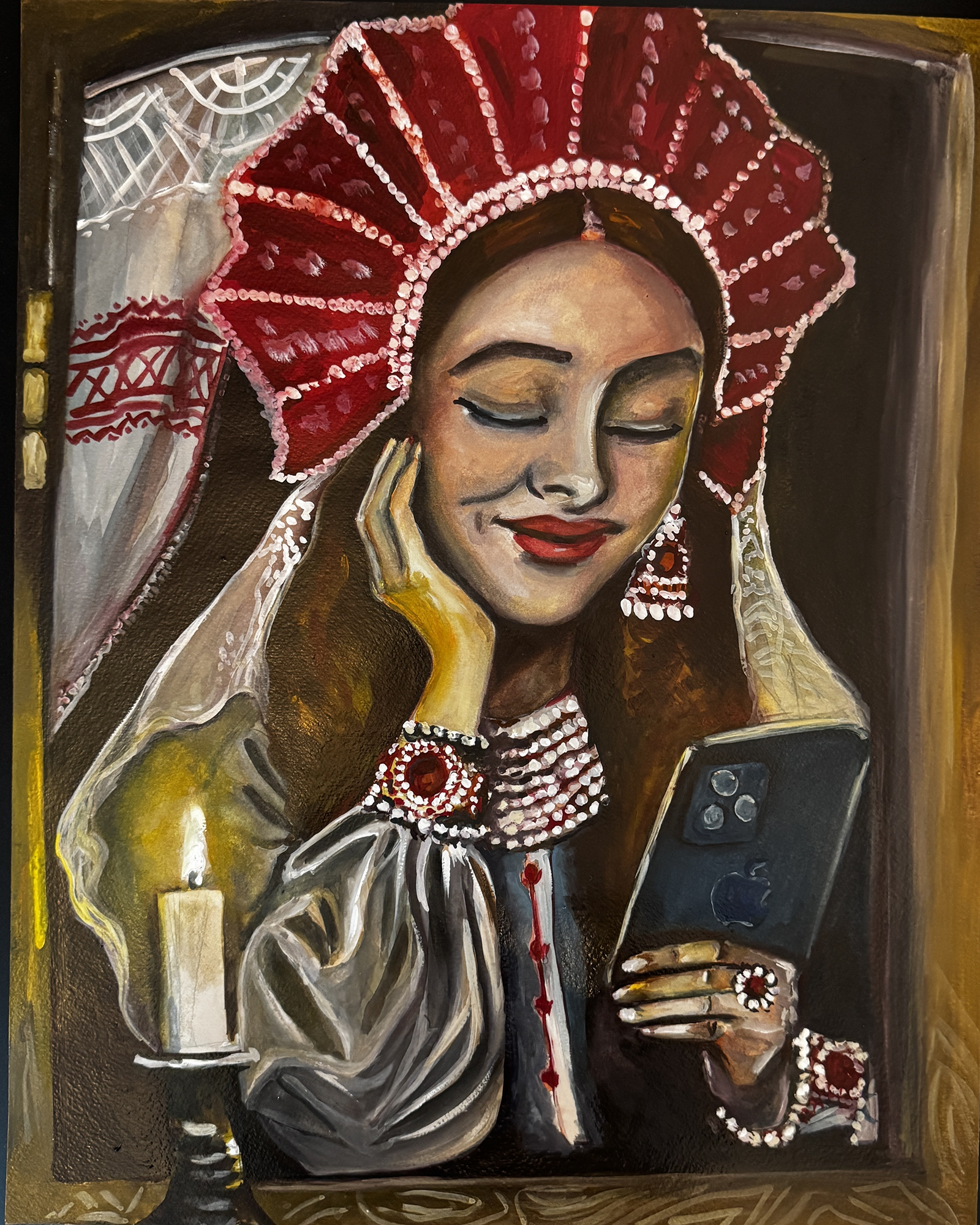
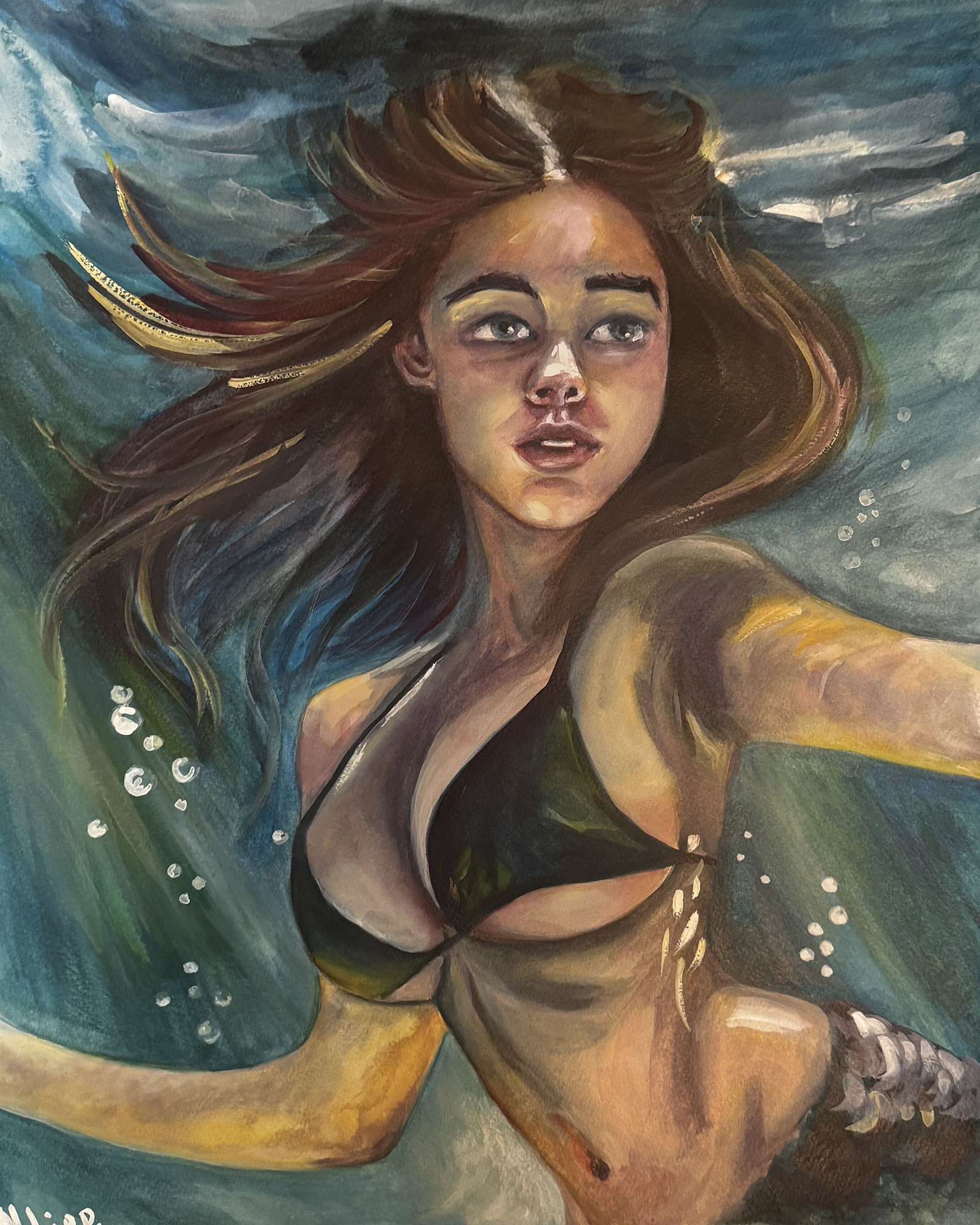
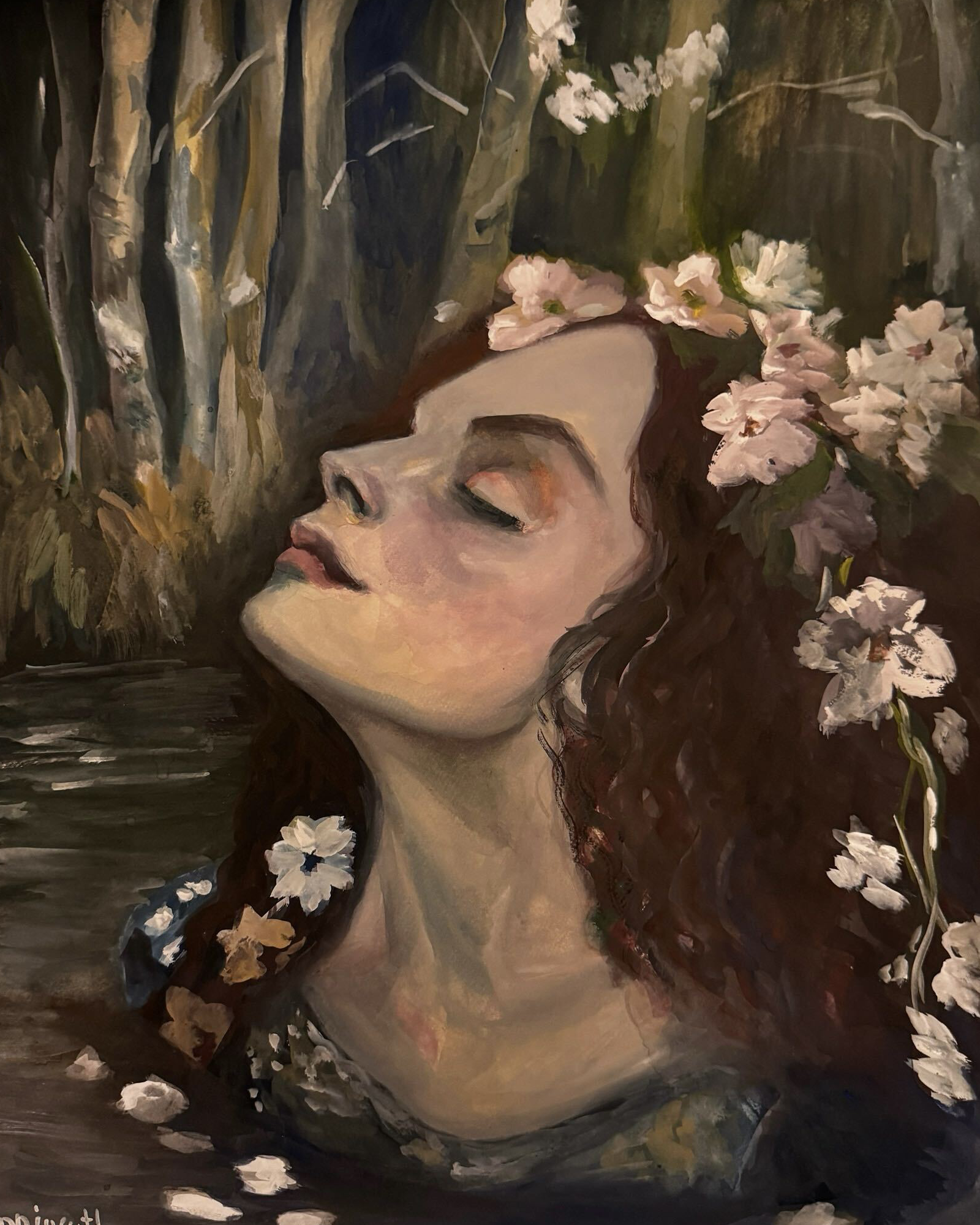
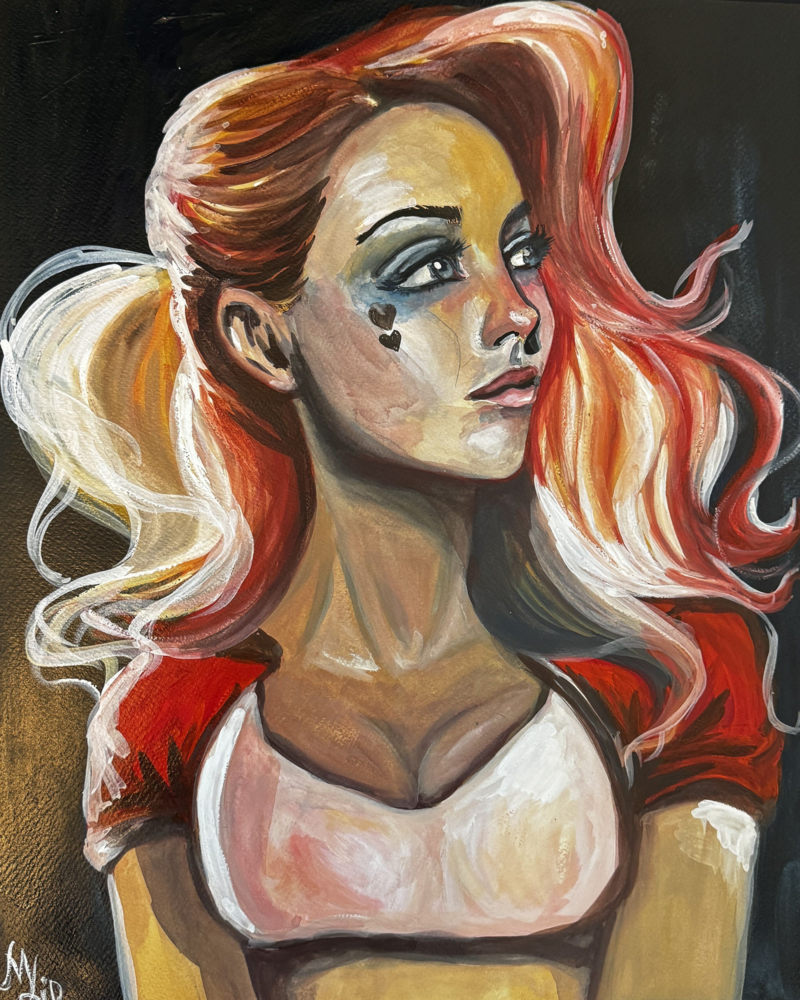
Her paintings often exist somewhere between reality and mythology. Women, water, forests, animals, folklore, transformation, and the natural world appear again and again. Figures seem caught between states, between strength and vulnerability, darkness and beauty, the familiar and the strange.
Her background in technology continues to influence the way she works. Marina often sees composition almost mathematically: shapes balancing other shapes, repeating forms creating rhythm, geometry directing the eye, and color relationships behaving like interconnected variables. Once that structure is established, intuition takes over.
That is where the work becomes personal.
Art school taught her how to see.
Technology taught her how to build.
Mathematics taught her to recognize patterns.
Life gave her something worth expressing.
Painting is where all of those worlds finally meet.